
The Conflict Within Gwynplaine
The Man Who LaughsGwynplaine’s movement from gratitude for his deformity to ambition and back toward love charts a moral struggle over identity.
increasing Bearing strength in each event
 decreasing
Bearing strength in each eventdecreasingMisfortune Reframed
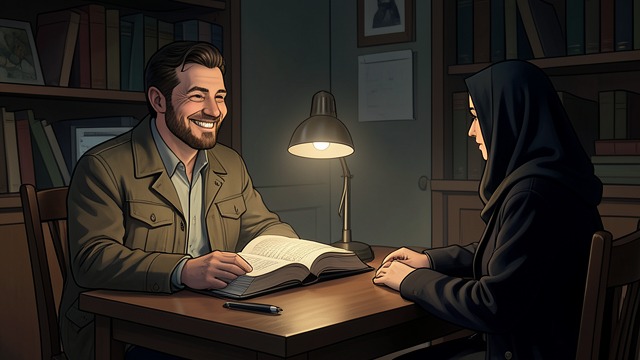
Misfortune Reframed
A wound becomes useful
Gwynplaine’s face makes him a successful performer.
His earnings support Dea and the travelling family.
He sees the stigma as a source of independence.
Happiness built inside exclusion
Dea’s blindness allows her to love his inward character.
Gwynplaine is grateful for the life his deformity made possible.
Their affection transforms injury into mutual shelter.
The Duchess’s Temptation
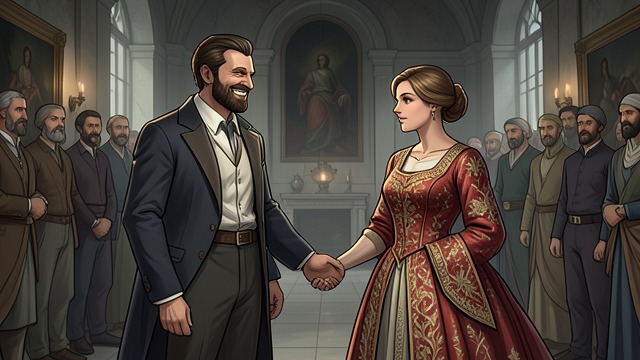
The Duchess’s Temptation
A different life imagined
Josiana declares that she desires Gwynplaine despite his face and rank.
He feels pride at being chosen by an aristocratic beauty.
The offer turns old shame into a new source of vanity.
Love restores direction
Gwynplaine burns the letter after seeing Dea.
Her presence recalls his loyalty and his moral center.
He seems to defeat temptation before greater temptations arrive.
The Peerage’s Vertigo
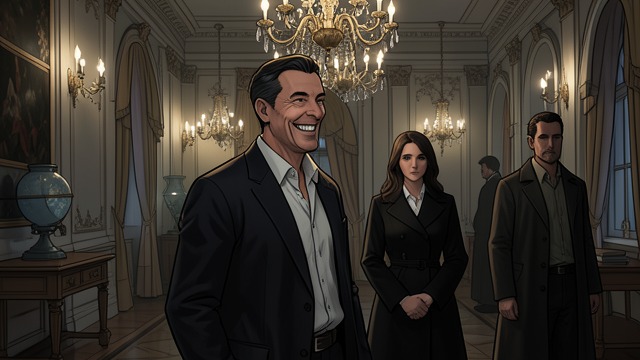
The Peerage’s Vertigo
An unexpected ascent
Gwynplaine learns that he is rich, titled, and politically powerful.
He imagines using his position to speak for the poor.
The sudden change confuses duty with personal elevation.
Vanity takes hold
He briefly enjoys the magnificence and possibility of the court.
Dea and Ursus recede from his thoughts.
The reversal tests him more subtly than his earlier hardships.
A Speech Against Privilege
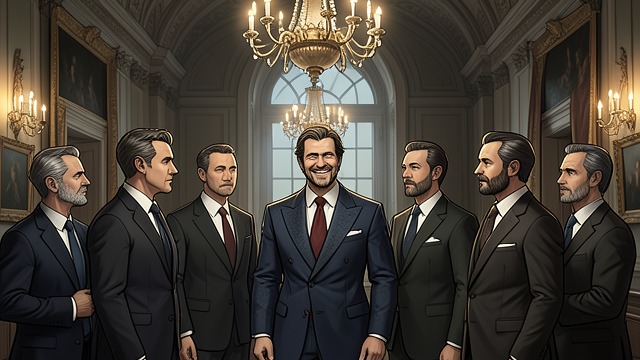
A Speech Against Privilege
The public duty embraced
Gwynplaine decides to use his seat for the poor.
He recounts hunger and cruelty from his own experience.
For a time he understands rank as a platform rather than a reward.
His message is refused
The peers laugh, turning his testimony back into entertainment.
His face defeats the authority his title should provide.
The speech exposes the limits of reform from within.
Return to Dea
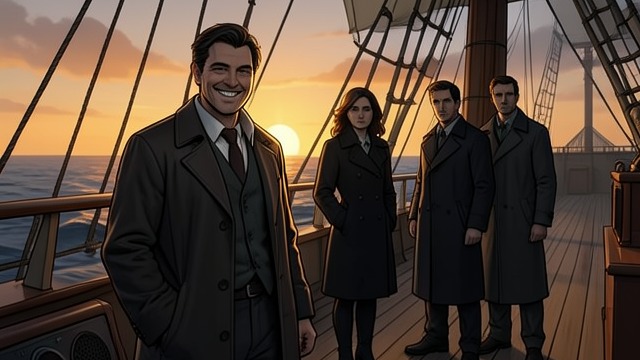
Return to Dea
The false inheritance judged
Gwynplaine sees that his acceptance helped separate him from Dea and Ursus.
He regrets trading their home for status and splendour.
His moral understanding returns through loss.
A final act of love
He follows Homo aboard the ship and finds Dea alive.
Their reunion seems to restore the life he had abandoned.
Dea’s death turns renewed hope into the novel’s final catastrophe.
During his years with Dea before 1705
The night Gwynplaine receives Josiana’s letter
In Corleone Lodge, after his identity is revealed
At the evening sitting in the House of Lords
At the Thames before the Vograat departs
